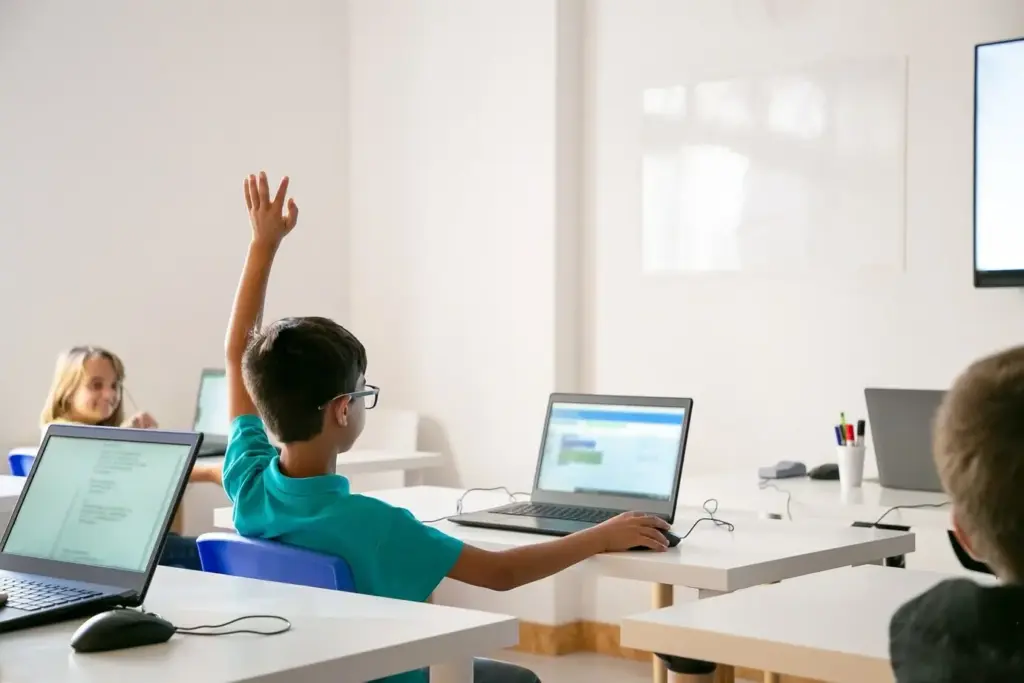
Turning Classrooms into Game Studios with No‑Code Creativity

Welcome to an energetic deep dive into Student-Created Learning Games Using No-Code Tools, where learners design experiences that teach as they entertain. We’ll explore approachable platforms, classroom-tested workflows, and inspiring examples so you can guide students from spark to playable learning. Expect practical strategies, reflective assessments, and stories that reveal how agency, iteration, and joyful challenge transform understanding. Join the conversation, share your learners’ builds, and subscribe to keep receiving fresh prompts, templates, and community spotlights celebrating authentic student voice through playful design.

Why Learners Should Build the Games They Play

When students construct games around academic goals, they wrestle with concepts deeply, translating standards into rules, goals, and feedback systems that actually work. This maker stance fosters autonomy, persistence, and transfer, because explaining ideas through mechanics and pacing strengthens memory. It also re-centers classrooms around curiosity, peer critique, and productive struggle, creating a culture where iteration feels normal and growth is visible. Invite your learners to lead, reflect, and publish—then watch engagement and confidence steadily rise.

The No‑Code Game Toolkit, Demystified

No‑code builders let learners prototype fast without wrestling with syntax. Drag‑and‑drop scenes, branching logic, question banks, and visual triggers create meaningful interactivity while keeping focus on content. Tools like Genially, H5P, Kahoot, Quizizz, and Wordwall support quick iteration and classroom-friendly collaboration. Visual event systems in GDevelop or Construct provide deeper possibilities while remaining approachable. Encourage students to start simple, publish drafts early, and compare how different platforms shape design decisions. Choosing tools becomes part of learning design literacy.

Backward Design Meets Game Loops

Start with evidence of learning, then build challenges that surface that evidence. List the misconceptions you want revealed and the performances you want captured. Craft loops where players perceive goals, act, receive feedback, and try again. Each loop should nudge thinking toward your objectives. When mechanics contradict goals, simplify. When feedback is vague, sharpen. This alignment reduces busywork, increases clarity, and makes classroom time feel purposeful, because every interaction advances understanding rather than distracting from it.

Motivation Through Autonomy, Competence, and Belonging

Self‑Determination Theory reminds us to honor choice, growth, and community. Offer multiple challenge paths, scaffold achievements that signal progress, and encourage peer collaboration and recognition. Designers can include optional side quests, hints that respect dignity, and cooperative mechanics that reward shared strategy. These elements nurture confidence without inflating difficulty. When students feel seen, capable, and connected, they naturally persist through iteration. The game becomes a supportive space where curiosity leads, errors teach, and success feels genuinely earned.

Assessment First, Rewards Second

Scoreboards and badges matter less than meaningful evidence. Decide what artifacts demonstrate understanding: annotated screenshots, gameplay recordings with narration, level design documents, or reflection journals. Then ensure in‑game tasks elicit those artifacts naturally. Rewards should celebrate progress toward clarity, not mere completion. This approach reframes points as feedback signals, not prizes. Students learn to value precision, fairness, and empathy in their designs, while you gain rich, authentic windows into thinking that standard quizzes rarely capture with comparable depth.

Idea Sprints and Paper First

Launch with a structured sprint: brainstorm core learning goals, sketch mechanics on sticky notes, and storyboard screens on index cards. Paper lets teams rearrange flows instantly, catching confusion early. Students label where feedback appears, what success looks like, and how challenge escalates. By the time they touch a builder, decisions feel grounded. This saves hours, reduces rework, and encourages clear communication. Early wins build momentum and help quieter voices influence direction before production habits harden.

Playtests That Reveal the Truth

Schedule short, frequent playtests with guiding prompts: What confused you? Where did you feel smart? Which rules felt unfair? Provide rubrics to keep feedback specific and kind. Record observations discreetly, noting hesitation points and unexpected strategies. After each session, teams prioritize fixes and retest quickly. This cycle teaches humility and resilience, showing students that every game improves through thoughtful listening. By launch, designs feel clearer, kinder, and more purposeful because real players shaped meaningful, iterative decisions.

Iteration, Inclusion, and Accessibility

Bake inclusion into the roadmap. Check color contrast, offer captions and transcripts, support keyboard-only navigation, and avoid rapid flashing. Balance difficulty with adjustable timers, optional hints, and forgiving checkpoints. Invite diverse testers to surface barriers early. Students publish accessibility notes explaining choices, modeling empathy and transparency. These practices not only widen participation but also improve clarity for everyone. When learners see inclusion as a design superpower, they internalize that great learning experiences respect bodies, minds, identities, and time.

Assessment, Evidence, and Reflection

Rubrics That Match What Matters

Design rubrics with clear descriptors for content accuracy, mechanic alignment, feedback clarity, accessibility, and iteration quality. Include a reflection criterion where students connect choices to learning goals and cite sources. Share exemplars and calibrate with quick grade‑along sessions. Because expectations are transparent, feedback becomes faster and kinder. Students can self-assess mid‑project, set targets, and request targeted coaching. The rubric thus becomes a roadmap, guiding teams toward purposeful decisions that strengthen both knowledge and play.

Useful Data from the Tools You Already Use

Leverage analytics many builders provide: item analysis in quizzes, path frequencies in branching scenarios, completion times, and replay counts. Combine these with observation notes to spot misconceptions and friction points. When students analyze their own metrics, they propose evidence‑based tweaks, strengthening both design literacy and content mastery. Present before‑and‑after data to celebrate meaningful iteration. Data remains a conversation starter, not a verdict, helping teams refine difficulty, pacing, and instructional clarity with humility and precision.

Reflection That Deepens Learning

Close each cycle with concise postmortems: What worked, what failed, and what surprised you? Ask designers to link changes to player feedback and content goals, then propose next steps. Encourage short video walkthroughs explaining key decisions and their impact on understanding. These narratives humanize the process, turning errors into resources. Over time, reflection journals become portfolios that showcase growth. Invite peers to comment appreciatively and constructively, strengthening community, trust, and shared standards for thoughtful, inclusive learning design.

Stories, Wins, and Lessons From Real Classrooms

Examples make possibilities tangible. Explore snapshots from different subjects and ages, where students built playful experiences that clarified complex ideas. Notice how constraints improved focus, how feedback shaped fairness, and how publishing raised quality. Use these glimpses as springboards for your own projects, adapting tools to fit goals and context. Share your learners’ creations, subscribe for fresh prompts, and join our comments with questions or tips so others can benefit from your discoveries and brave experiments.

Eighth‑Grade History Quest

Students designed a branching museum heist in Genially where clues required analyzing primary sources. Each choice unlocked artifacts only if evidence was interpreted correctly, reinforcing sourcing and corroboration. During playtests, peers flagged vague prompts, prompting tighter wording and targeted hints. By launch, the flow rewarded careful reading and reasoning over guessing. Reflections described newfound confidence with sourcing, and teachers reported richer document analysis in subsequent essays because learners had practiced those moves under enjoyable pressure.

Science Vocabulary Arcade

A ninth‑grade team built a Wordwall‑powered arcade with layered feedback. If players chose superficial definitions, the game delivered concise misconceptions and quick reteach tips before retrying with new examples. Timers created urgency without punishing exploration. Data showed slowed errors over time, and reluctant students began volunteering to host challenges. In debriefs, designers connected precise wording to concept clarity, revising distractors to mirror authentic confusion. The class adopted the format for future units, citing energy and clarity.

Branching Narrative in Language Arts

Using Twine and Google Forms logic, students crafted a perspective‑shifting novella where readers navigated ethical choices tied to character motivations and textual evidence. Citations surfaced as optional hints, normalizing academic rigor inside compelling play. Peer feedback highlighted pacing issues, leading to shorter passages and stronger transitions. Accessibility checks improved contrast and added alt text for imagery. Reflections emphasized empathy gains and renewed attention to author craft, proving that narrative design can lift analysis without sacrificing joy.
Zafazizupepoxi
Privacy Overview

This website uses cookies so that we can provide you with the best user experience possible. Cookie information is stored in your browser and performs functions such as recognising you when you return to our website and helping our team to understand which sections of the website you find most interesting and useful.